Signs Your Decatur Home Needs a Renovation
A home usually needs renovation when it stops fitting how you live or when parts begin to fail. Cramped layouts, recurring repairs, moisture problems and outdated systems are common signs. Call (470) 847-9076 and we will look at your home and tell you what is worth doing now and what can wait.
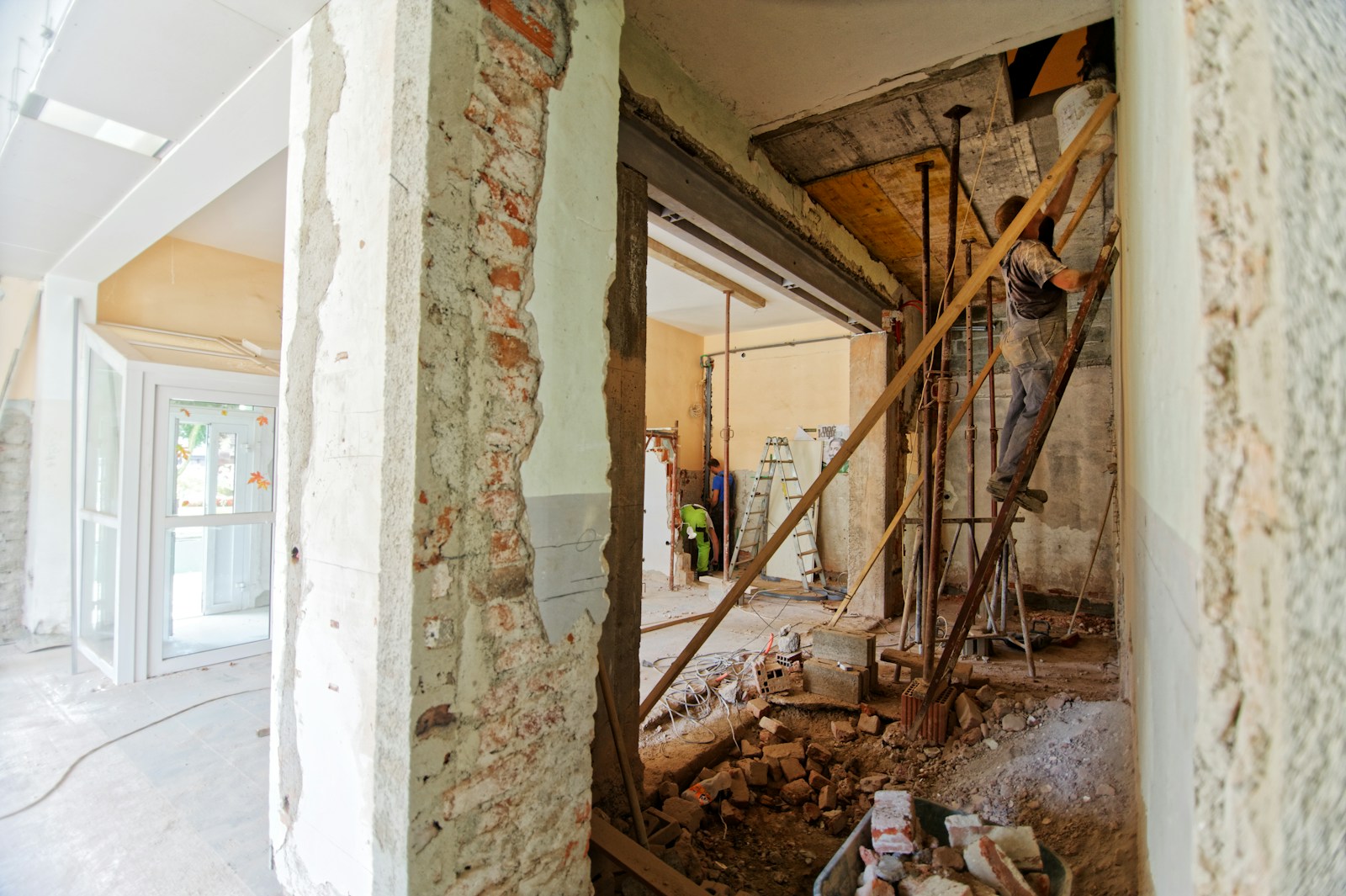
Signs of function problems
Function problems show up in daily routines.
The kitchen or bathroom is too small or poorly arranged.
There is not enough storage or natural light.
You need more bedrooms, an office or a place for aging relatives.
Doors, stairs or showers are hard to use safely.
Rooms are chopped up in ways that no longer make sense.
Signs of condition problems
Condition problems cost more the longer they wait.
- 1
Water stains, soft floors or musty smells.
- 2
Outdated wiring, tripping breakers or too few outlets.
- 3
Old plumbing with low pressure or frequent leaks.
- 4
Windows and insulation that leave rooms hot or cold.
- 5
Worn floors, cracked tile and failing finishes.
When to start planning
Start planning when several signs show up together.
Repairs are becoming more frequent and costly.
You want to stay long term and keep fixing the same problems.
A life change needs more space or better access.
You plan to sell and want to fix issues buyers notice.
You want to combine projects to save on disruption.
What this means in Decatur
Decatur has many older houses with character. Renovation can preserve what is special while fixing layout and systems that no longer work.
Related reading: See whole-home renovation and interior remodeling. See how a project runs on our process and planning page, read the Decatur remodeling cost guide, or contact us to talk through your project.
More on signs your decatur home needs a renovation for Decatur homeowners
What to expect in Decatur homes
Decatur has a mix of early twentieth-century bungalows, mid-century ranches, tidy cottages and newer infill homes, and each brings its own surprises. Older houses may have plaster walls, original wiring, galvanized supply lines, uneven floors and framing that does not match modern dimensions. None of this is a reason to avoid a project, but it is a reason to expect a few discoveries and to plan a contingency.
Neighborhood character also matters. Many homeowners want to preserve the look of the street while improving how the house works inside, so material choices, window proportions and rooflines deserve attention. We talk through these tradeoffs during the visit, explain what is likely to be found behind the walls and describe how we handle changes so that the schedule and the written scope stay clear.
If your project touches structure, electrical, plumbing or mechanical systems, expect permits and inspections through the City of Decatur or the local authority for your address. Building that review time into the plan keeps the work moving and protects you when the home is sold or insured.
Budget, schedule and quality checkpoints for interior work
Interior renovations combine structural, mechanical and finish work, and the budget should reflect that. Opening walls, rerouting wiring or changing flooring across several rooms involves more than the finish you see. Keep a contingency for conditions inside walls and under floors.
The schedule depends on sequence: demolition, framing, rough-in, inspections, insulation and drywall, painting, flooring, trim and fixtures. Protect the rest of the home from dust with barriers and floor protection. Quality checkpoints include level floors, straight walls, tight trim joints, consistent paint, working electrical and plumbing, and a clean final walkthrough. Keep paint names, flooring leftovers and product manuals in one place for future repairs.
Questions worth asking before you hire anyone
A short conversation can reveal how a contractor works. Ask who will be on site each day and who you call with questions. Ask how long the crew has worked together and how they handle subcontractors such as electricians and plumbers. Ask what the proposal excludes, how allowances are tracked and what happens when something unexpected is found behind a wall.
Ask for a written schedule with major milestones, the inspection plan and the payment schedule tied to completed work. Ask to see a finished project similar to yours, and ask past clients how the company handled problems, not just how the final result looked. Clear, specific answers are a better predictor of a smooth project than a polished presentation.
Planning checklist for your interior renovation
Use this checklist as you move from idea to contract. Homeowners who work through it tend to make calmer decisions and meet fewer surprises once construction begins.
- Write down your goals, must-haves and nice-to-haves before you meet contractors.
- Measure the space and photograph problem areas so everyone starts from the same facts.
- Set a comfortable budget range and a separate contingency for surprises behind walls.
- Confirm who pulls permits, who schedules inspections and who is your daily point of contact.
- Ask for the scope in writing, including demolition, disposal, protection of your home and cleanup.
- Decide which selections you will make before work starts and which are allowances.
- Check licensing, insurance and references, and ask to see a comparable finished project.
- Tie payments to completed milestones, never large payments up front.
- Plan daily life during construction, including pets, children, parking and a temporary space for essentials.
- Finish with a walkthrough, a punch list and warranty paperwork in one place.
Common mistakes to avoid
The most expensive mistakes are rarely dramatic. They are small gaps that grow: a scope that does not name who handles demolition, a selection that arrives late, an allowance that is too low for the finish you actually want, or a verbal change that never reaches the paperwork. Compare proposals line by line, not only by total, and ask what is excluded.
Another common mistake is skipping the early conversation about permits and inspections. Unpermitted work can create problems with insurance, resale and safety. A responsible contractor explains the permit path before the contract is signed and builds the review time into the schedule.
How Decatur Heritage Renovations approaches your interior renovation
We start with a visit. We walk the space, measure, listen to how you use the home and talk through options in plain language. You then receive a written quote that spells out scope, allowances, schedule and responsibilities, so you can compare it with any other bid. There is no pressure to decide on the spot.
During construction you have one point of contact, a clear schedule and a daily cleanup routine. Changes are written down and agreed before work proceeds. When the work is complete, we walk the project with you, create a punch list and make sure nothing is left open. If you would like to talk through your plans, call (470) 847-9076.
How to prepare for your site visit
A little preparation makes the first visit far more useful. Gather photos of the space, any old plans or permits you have, and a short list of what bothers you and what you want to keep. Think about your timeline, including events such as holidays, guests or a move, and be ready to describe how many people use the space and when.
Bring inspiration images, but also bring examples of things you dislike, because they help just as much. During the visit we measure, check conditions, discuss options and answer your questions. Afterward you receive a written quote with scope and schedule, and you can take as much time as you need to decide.
What to expect week by week
In the first week, expect site protection, demolition and a lot of noise and dust. Once walls are open we confirm what we find, photograph conditions and review any adjustments with you before work continues. The following weeks bring framing and rough-in for plumbing, electrical and mechanical systems, followed by inspections where required.
After inspections, insulation, drywall, tile, cabinets and flooring go in, and the room starts to look like the design. The final stretch covers trim, paint, fixtures, cleaning and the punch list. We share a short update each week, tell you what decisions are coming and flag anything that could affect the schedule, so there are no surprises when you come home at the end of the day.
Frequently asked questions
How do I know whether to repair or renovate?
If repairs repeat or the layout no longer works, renovation may be the better investment.
Can I renovate in phases?
Often yes. We can plan phases to spread cost and disruption.
Should I fix moisture first?
Yes. Water problems should be handled before finishes.
Do older systems need replacement?
Not always, but wiring and plumbing should be inspected.
How do I get an assessment?
Call (470) 847-9076 or contact us.
Let us take a look at your home
Have questions about your Decatur project? Call (470) 847-9076 and we will help you sort it out.